
Corporate Governance
Our Singapore Company Secretary Guides
Our Singapore Company Secretary Guides
Singapore Budget 2026 can shift your SME’s costs, tax outcomes, and compliance workload—often at the same time. This guide shows what to prepare before 12 Feb 2026 so you can update forecasts, payroll, and filings quickly without scrambling.

Singapore’s 14.3% manufacturing jump in Nov 2025 is a planning signal for 2026: more orders often mean more hiring, transactions, and compliance workload. This guide shows what to review now—entity setup, accounting and tax rhythm, and payroll basics—so operations stay predictable as volume rises.

This guide explains how MAS–China RMB and capital market initiatives can change day-to-day SME accounting, FX tracking, tax planning, and documentation in Singapore. You’ll learn what to tighten now so year-end closing and 2026 filings stay clean and predictable as RMB volumes grow.

Export orders are expected to increase in 2026, but many SMEs are not prepared for the payroll pressure that comes with scaling. This guide explains the compliance risks, MOM rules, and the operational fixes SMEs need before expanding.

EnterpriseSG’s Scale-Up Programme relies on accurate, up-to-date financials to diagnose an SME’s business model, cost structure, and scalability potential. Clearing accounting backlogs is essential for credibility, proper strategic planning, and ensuring consultants can deliver meaningful transformation results.

IRAS is tightening the Enterprise Innovation Scheme (EIS) review process, leading to more rejected claims in 2024–2025. SMEs must strengthen documentation, choose credible vendors, and treat EIS as a serious compliance exercise to avoid penalties and delays.
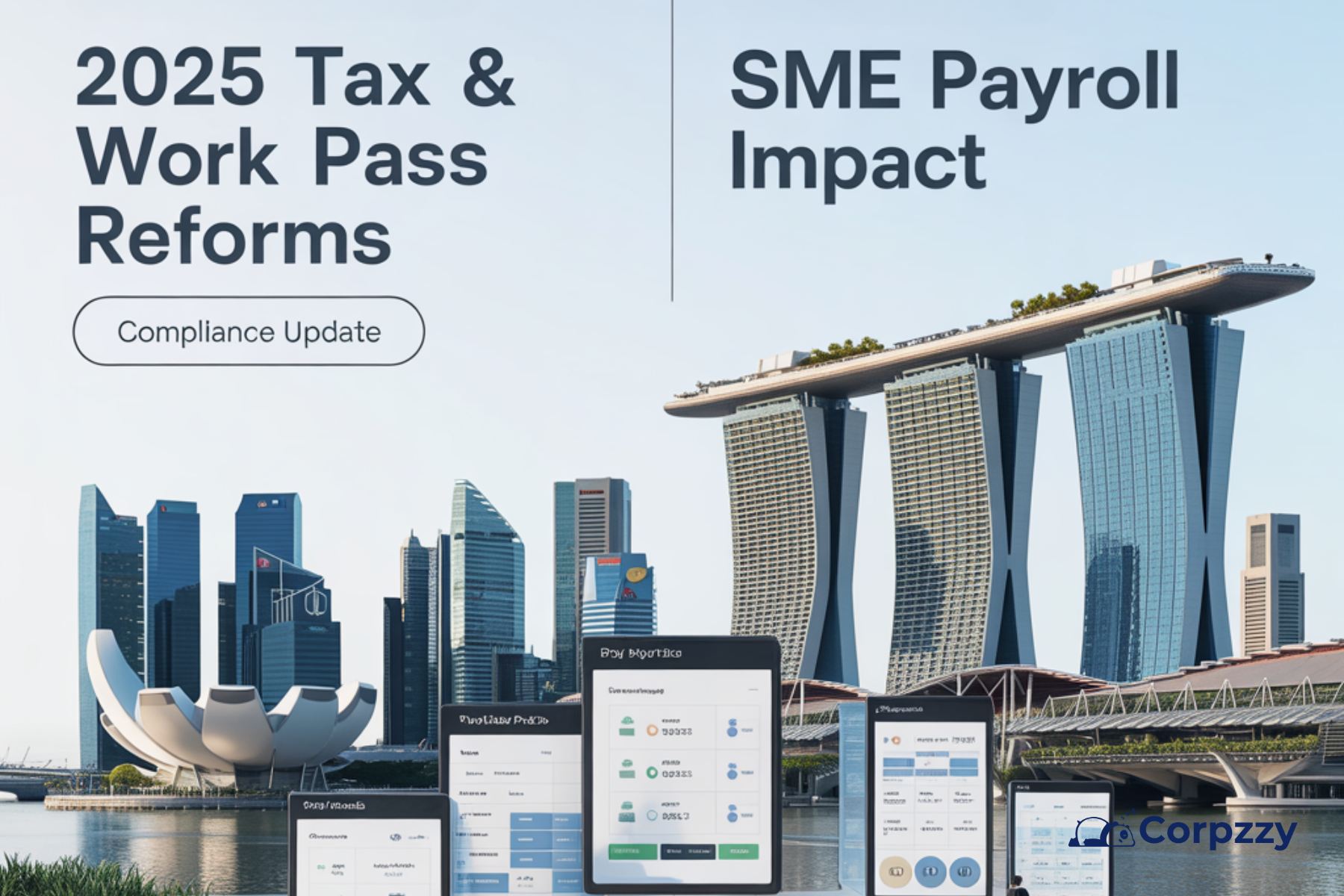
Singapore’s 2025 tax and work pass reforms will bring major changes to how SMEs handle payroll, reporting, and compliance. From BEPS 2.0 to new EP salary rules, business owners must prepare now to avoid penalties and disrupted workforce planning.

2026 is expected to be ACRA’s strictest enforcement year yet, with tougher filing standards, tighter cross-agency checks, and zero-tolerance penalties for directors who fall behind. This article explains the new risks Singapore SMEs will face and how directors can prepare before the compliance crackdown begins.

Stay ahead of the curve with the latest updates on Singapore’s BCA Builder’s Licence and Contractors Registration System (CRS). This guide covers the 2025 changes to licensing requirements, including mandatory registration for foreign worker hiring and increased capital thresholds.

Singapore’s Central Registers of Nominee Directors and Nominee Shareholders require companies and foreign companies to file detailed information about nominee directors and shareholders with ACRA. These updates enhance corporate transparency while keeping sensitive nominator details accessible only to law enforcement agencies.

The Register of Registrable Controllers (RORC) in Singapore is a crucial tool for enhancing corporate transparency by identifying the true owners or controllers of a company. Ensuring compliance with RORC regulations helps businesses avoid penalties and strengthens governance in line with global standards.

Share capital reduction allows Singapore companies to optimize their capital structure and improve financial efficiency. This guide explains the methods, legal requirements, and strategic benefits of reducing share capital in Singapore.
Singapore companies are required to comply with key reporting duties such as annual returns, AGMs, financial statements, and tax submissions. Understanding these timelines and requirements is crucial to maintaining good standing with ACRA and IRAS.

Striking off a company in Singapore is a straightforward, cost-effective way to close a dormant or inactive business. This guide by Corpzzy walks you through the full process, from eligibility to application and post-closure steps.

A company secretary in Singapore plays a crucial role in ensuring a business complies with statutory and regulatory obligations. From maintaining company records to handling ACRA filings, they are essential to corporate governance and legal compliance.