
Company Incorporation
Our Singapore Company Incorporation Guides
Our Singapore Company Incorporation Guides

A Limited Liability Company (LLC) offers business owners protection by limiting their financial risk to the amount invested in the company, separating personal assets from business liabilities. This structure encourages entrepreneurship and investment by reducing personal exposure to business debts.

In Singapore, having at least one shareholder is a legal requirement when incorporating a company, ensuring clear ownership and limited liability protection. This structure enables businesses to raise capital, establish governance, and operate with financial security.

Singapore is a leading destination for offshore company registration, offering attractive tax benefits and robust legal protections. Our 2025 guide walks you through the essentials of setting up and maintaining a compliant offshore company in Singapore.

Your UEN is your startup’s all-in-one ID for everything from tax filings to employment passes—no more juggling multiple logins. This Gen Z-styled guide breaks down how to secure, display, and even brand your UEN, so you can focus on growth, not paperwork.

Managing business finances and taxes in Singapore is essential for ensuring compliance, optimizing cash flow, and securing funding for growth. With proper accounting tools, tax planning, and government grants, businesses can streamline financial operations and maximize profitability.

Registering your business with ACRA is the first step to operating legally in Singapore. This guide walks you through the process, from selecting a business structure to submitting documents on BizFile+.
Corporate Governance
Our Singapore Company Secretary Guides
Our Singapore Company Secretary Guides
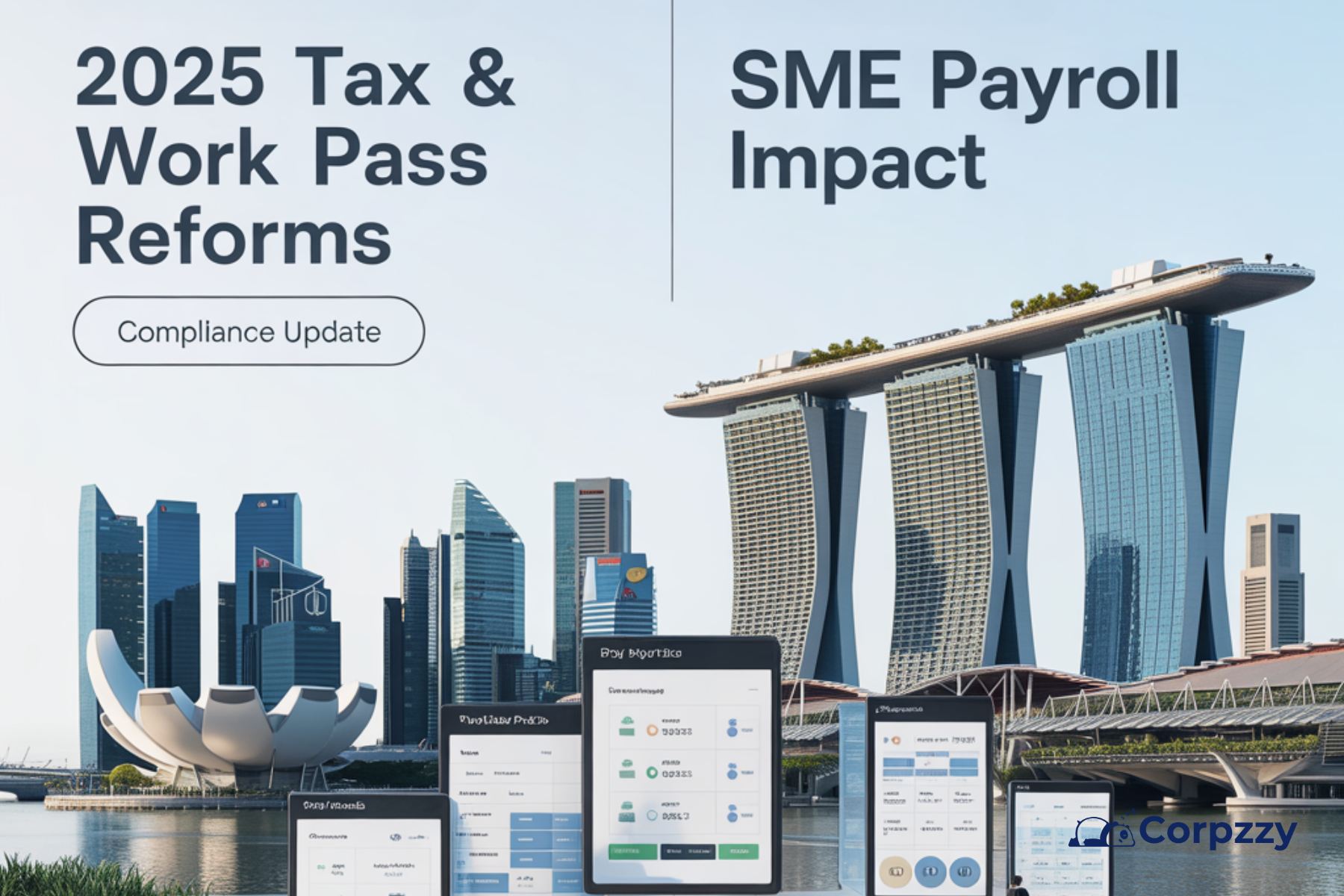
Singapore’s 2025 tax and work pass reforms will bring major changes to how SMEs handle payroll, reporting, and compliance. From BEPS 2.0 to new EP salary rules, business owners must prepare now to avoid penalties and disrupted workforce planning.

2026 is expected to be ACRA’s strictest enforcement year yet, with tougher filing standards, tighter cross-agency checks, and zero-tolerance penalties for directors who fall behind. This article explains the new risks Singapore SMEs will face and how directors can prepare before the compliance crackdown begins.

Stay ahead of the curve with the latest updates on Singapore’s BCA Builder’s Licence and Contractors Registration System (CRS). This guide covers the 2025 changes to licensing requirements, including mandatory registration for foreign worker hiring and increased capital thresholds.

Singapore’s Central Registers of Nominee Directors and Nominee Shareholders require companies and foreign companies to file detailed information about nominee directors and shareholders with ACRA. These updates enhance corporate transparency while keeping sensitive nominator details accessible only to law enforcement agencies.
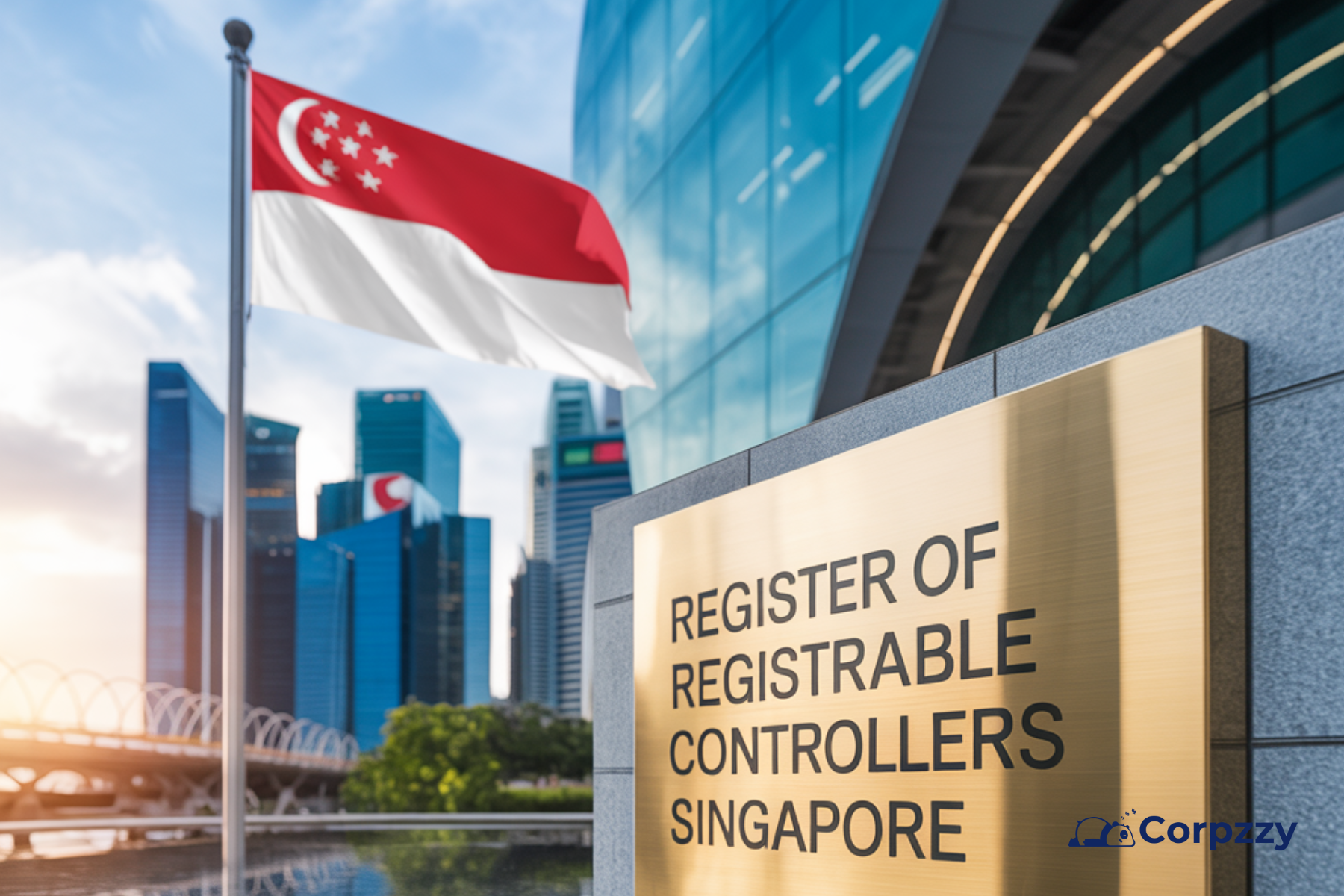
The Register of Registrable Controllers (RORC) in Singapore is a crucial tool for enhancing corporate transparency by identifying the true owners or controllers of a company. Ensuring compliance with RORC regulations helps businesses avoid penalties and strengthens governance in line with global standards.

Share capital reduction allows Singapore companies to optimize their capital structure and improve financial efficiency. This guide explains the methods, legal requirements, and strategic benefits of reducing share capital in Singapore.
All Guides
Our Guides
Our Guides
2026 is expected to be ACRA’s strictest enforcement year yet, with tougher filing standards, tighter cross-agency checks, and zero-tolerance penalties for directors who fall behind. This article explains the new risks Singapore SMEs will face and how directors can prepare before the compliance crackdown begins.

Singapore’s YA 2025 tax support package offers businesses up to S$40,000 through a 50% Corporate Income Tax Rebate and a cash grant for companies that hired a local employee in 2024. This comprehensive guide explains how these benefits work, who qualifies, and how your company can maximise every dollar.
Stay ahead of the curve with the latest updates on Singapore’s BCA Builder’s Licence and Contractors Registration System (CRS). This guide covers the 2025 changes to licensing requirements, including mandatory registration for foreign worker hiring and increased capital thresholds.
Singapore’s Central Registers of Nominee Directors and Nominee Shareholders require companies and foreign companies to file detailed information about nominee directors and shareholders with ACRA. These updates enhance corporate transparency while keeping sensitive nominator details accessible only to law enforcement agencies.
The Register of Registrable Controllers (RORC) in Singapore is a crucial tool for enhancing corporate transparency by identifying the true owners or controllers of a company. Ensuring compliance with RORC regulations helps businesses avoid penalties and strengthens governance in line with global standards.

AI is revolutionizing business forecasting by delivering faster, more accurate insights that drive strategic decision-making. From demand planning to revenue reporting, companies across Southeast Asia and beyond are using AI to optimize operations and boost profitability.

Discover how AI is transforming sales by enabling businesses to predict customer behavior, personalize engagement, and automate conversions. From Southeast Asia to Europe, forward-thinking companies are using AI to drive smarter, faster, and more efficient revenue growth.

As technology accelerates, employers are placing increasing value on human-centric skills like adaptability, critical thinking, and digital fluency. With AI as an ally, employees can sharpen these abilities and redefine productivity in the modern workplace.

AI is rapidly transforming how companies in Southeast Asia operate, from legal and finance to HR and public administration. With strategic adoption, responsible governance, and workforce readiness, firms in Malaysia and Singapore are turning AI into a competitive advantage.