
Company Incorporation
Our Singapore Company Incorporation Guides
Our Singapore Company Incorporation Guides

Singapore has raised its 2025 GDP forecast to around 4%, signalling a strong year ahead for business expansion and hiring. But with growth expected to slow sharply to 1–3% in 2026, SMEs must prepare early by strengthening cashflow, compliance, and operational efficiency.

Singapore’s wage growth is expected to moderate in 2026 — creating a rare opportunity for entrepreneurs to incorporate and scale their companies with lower manpower cost pressure. For Singapore locals and foreign founders, this shift offers a strategic window to build lean, compliant, and cost-efficient operations in one of Asia’s most competitive business hubs.

The Accounting and Corporate Regulatory Authority (ACRA) is Singapore’s primary body for regulating companies, overseeing business entity registrations and compliance. This article explores ACRA’s role, the Bizfile portal, and the steps businesses must take to ensure they meet all regulatory requirements.

Redomiciling allows businesses to transfer their legal domicile from one country to another without dissolving the company. This process ensures business continuity while providing the company with the benefits of a new jurisdiction, such as tax advantages and legal flexibility.

Securing funding is a key step in growing your business in Singapore. This guide explores various funding options available to entrepreneurs, including government grants, venture capital, crowdfunding, and more.

A Limited Liability Company (LLC) offers business owners protection by limiting their financial risk to the amount invested in the company, separating personal assets from business liabilities. This structure encourages entrepreneurship and investment by reducing personal exposure to business debts.
Corporate Governance
Our Singapore Company Secretary Guides
Our Singapore Company Secretary Guides
Export orders are expected to increase in 2026, but many SMEs are not prepared for the payroll pressure that comes with scaling. This guide explains the compliance risks, MOM rules, and the operational fixes SMEs need before expanding.
EnterpriseSG’s Scale-Up Programme relies on accurate, up-to-date financials to diagnose an SME’s business model, cost structure, and scalability potential. Clearing accounting backlogs is essential for credibility, proper strategic planning, and ensuring consultants can deliver meaningful transformation results.
IRAS is tightening the Enterprise Innovation Scheme (EIS) review process, leading to more rejected claims in 2024–2025. SMEs must strengthen documentation, choose credible vendors, and treat EIS as a serious compliance exercise to avoid penalties and delays.
Singapore’s 2025 tax and work pass reforms will bring major changes to how SMEs handle payroll, reporting, and compliance. From BEPS 2.0 to new EP salary rules, business owners must prepare now to avoid penalties and disrupted workforce planning.

2026 is expected to be ACRA’s strictest enforcement year yet, with tougher filing standards, tighter cross-agency checks, and zero-tolerance penalties for directors who fall behind. This article explains the new risks Singapore SMEs will face and how directors can prepare before the compliance crackdown begins.

Stay ahead of the curve with the latest updates on Singapore’s BCA Builder’s Licence and Contractors Registration System (CRS). This guide covers the 2025 changes to licensing requirements, including mandatory registration for foreign worker hiring and increased capital thresholds.
All Guides
Our Guides
Our Guides
Export orders are expected to increase in 2026, but many SMEs are not prepared for the payroll pressure that comes with scaling. This guide explains the compliance risks, MOM rules, and the operational fixes SMEs need before expanding.
EnterpriseSG’s Scale-Up Programme relies on accurate, up-to-date financials to diagnose an SME’s business model, cost structure, and scalability potential. Clearing accounting backlogs is essential for credibility, proper strategic planning, and ensuring consultants can deliver meaningful transformation results.
IRAS is tightening the Enterprise Innovation Scheme (EIS) review process, leading to more rejected claims in 2024–2025. SMEs must strengthen documentation, choose credible vendors, and treat EIS as a serious compliance exercise to avoid penalties and delays.
Singapore’s 2025 tax and work pass reforms will bring major changes to how SMEs handle payroll, reporting, and compliance. From BEPS 2.0 to new EP salary rules, business owners must prepare now to avoid penalties and disrupted workforce planning.
2026 is expected to be ACRA’s strictest enforcement year yet, with tougher filing standards, tighter cross-agency checks, and zero-tolerance penalties for directors who fall behind. This article explains the new risks Singapore SMEs will face and how directors can prepare before the compliance crackdown begins.

Singapore’s YA 2025 tax support package offers businesses up to S$40,000 through a 50% Corporate Income Tax Rebate and a cash grant for companies that hired a local employee in 2024. This comprehensive guide explains how these benefits work, who qualifies, and how your company can maximise every dollar.
Stay ahead of the curve with the latest updates on Singapore’s BCA Builder’s Licence and Contractors Registration System (CRS). This guide covers the 2025 changes to licensing requirements, including mandatory registration for foreign worker hiring and increased capital thresholds.

Singapore’s Central Registers of Nominee Directors and Nominee Shareholders require companies and foreign companies to file detailed information about nominee directors and shareholders with ACRA. These updates enhance corporate transparency while keeping sensitive nominator details accessible only to law enforcement agencies.
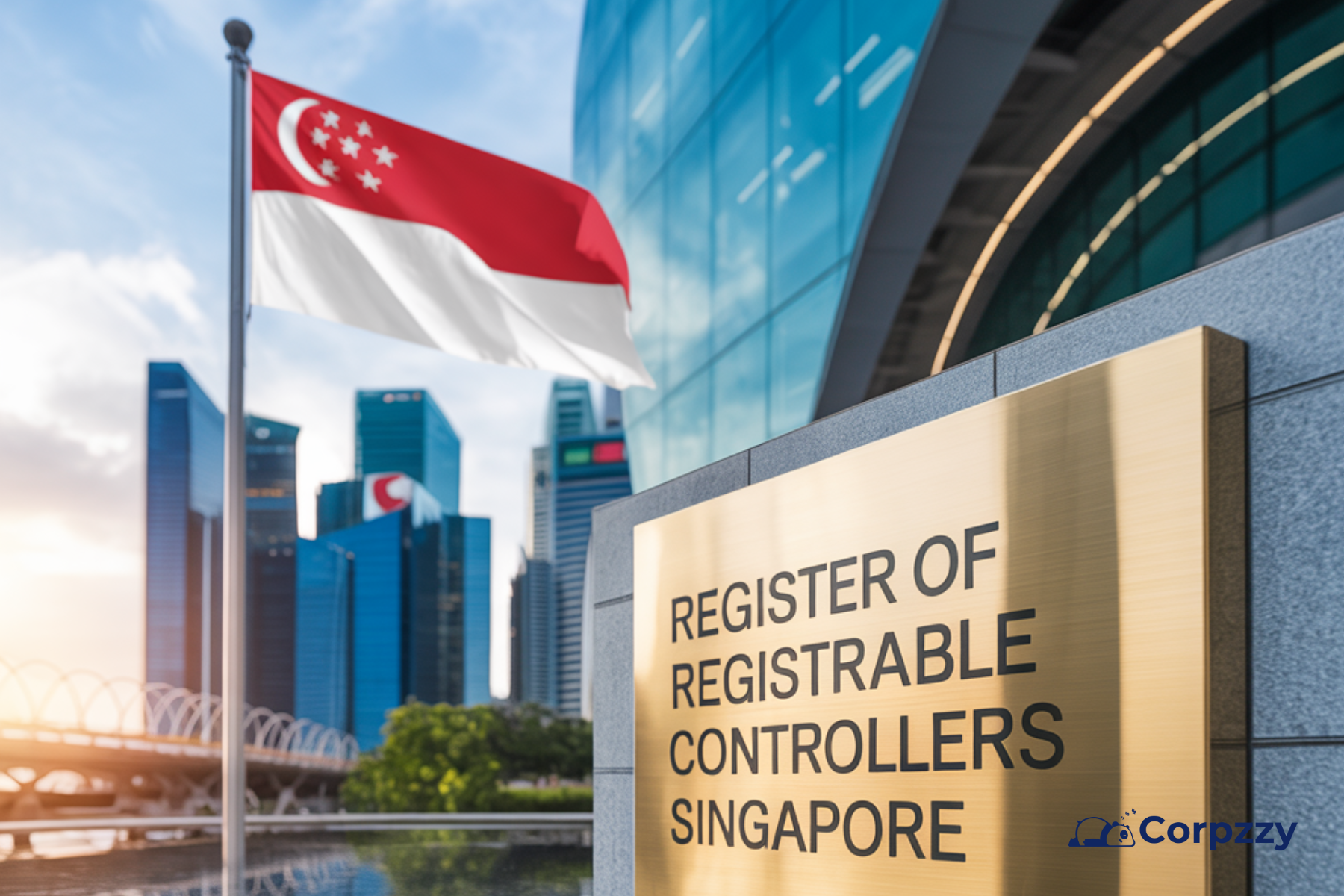
The Register of Registrable Controllers (RORC) in Singapore is a crucial tool for enhancing corporate transparency by identifying the true owners or controllers of a company. Ensuring compliance with RORC regulations helps businesses avoid penalties and strengthens governance in line with global standards.