
Accounting & Tax
Our Singapore Accounting & Tax Guides
Our Singapore Accounting & Tax Guides
This guide explains how MOE’s 2025 announcements and the shift towards an ITE three-year curriculum may affect 2026–2027 internship timing, entry-level readiness, and pay expectations. You’ll learn how to budget full employment cost (including OT and CPF), structure step-up pay, and avoid common payroll setup mistakes.
If your business uses FX forwards, swaps, or commodity hedges, ACRA ED/2025/1 is a prompt to review whether your hedge accounting documentation and evidence will stand up to audit. This guide explains what to check in FY2025–2026 so you can avoid avoidable P&L volatility and last-minute reporting surprises.
ACRA’s 2026 reporting changes, including SFRS(I) 19 reduced disclosure for eligible subsidiaries, can affect how your group prepares statutory financial statements and handles disclosure notes. This guide helps founders plan early so 2026–2027 closes avoid last-minute rework, audit friction, and director sign-off stress.
This guide explains how MAS–China RMB and capital market initiatives can change day-to-day SME accounting, FX tracking, tax planning, and documentation in Singapore. You’ll learn what to tighten now so year-end closing and 2026 filings stay clean and predictable as RMB volumes grow.
Export orders are expected to increase in 2026, but many SMEs are not prepared for the payroll pressure that comes with scaling. This guide explains the compliance risks, MOM rules, and the operational fixes SMEs need before expanding.
Singapore’s 2025 tax and work pass reforms will bring major changes to how SMEs handle payroll, reporting, and compliance. From BEPS 2.0 to new EP salary rules, business owners must prepare now to avoid penalties and disrupted workforce planning.
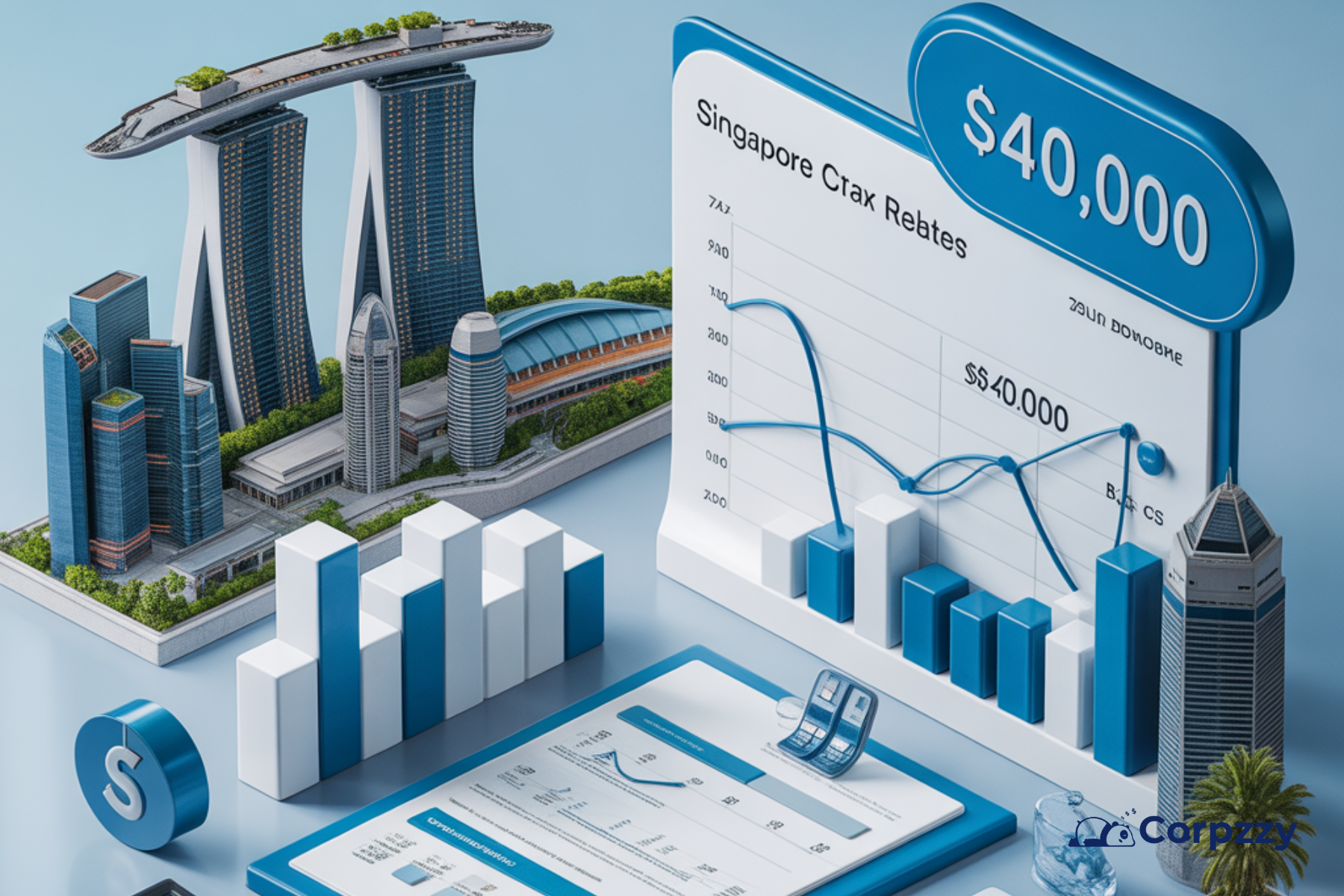
Singapore’s YA 2025 tax support package offers businesses up to S$40,000 through a 50% Corporate Income Tax Rebate and a cash grant for companies that hired a local employee in 2024. This comprehensive guide explains how these benefits work, who qualifies, and how your company can maximise every dollar.

The Inland Revenue Authority of Singapore (IRAS) is the country's primary tax body, overseeing the collection of various taxes that fund public services and economic development. This article explores IRAS's core functions, key taxes managed, and how it helps ensure businesses comply with tax regulations.

Understanding GST filing requirements is essential for businesses in Singapore to remain compliant and avoid penalties. This guide covers everything from GST registration to filing deadlines, calculation methods, and common pitfalls.